
Future-Proofing Your MHC: The Strategic Value of Fiber

 By Nicole Cimino December 31, 2025
 Manufactured housing community owners make infrastructure decisions today that affect property values and resident satisfaction for decades. Some upgrades become outdated within years, requiring replacement and additional capital investment. Others serve properties reliably for 20+ years without significant modifications.
Fiber-optic infrastructure falls definitively into the second category. While cable and DSL systems age and require costly upgrades as bandwidth demands increase, fiber infrastructure installed today handles tomorrow’s connectivity requirements without replacement.
Why Infrastructure Longevity Matters for MHC Property Values
Infrastructure investments affect property economics long-term. Water and sewer systems installed properly serve communities for decades. Electrical infrastructure handles increased loads as technology evolves. These permanent improvements justify their costs through years of reliable service.
Connectivity infrastructure deserves the same long-term perspective. Installing systems requiring replacement every 5-10 years creates recurring capital expenditures that erode returns. Fiber infrastructure serving your community for 20+ years without requiring replacement delivers fundamentally better economics.
Buyers and lenders recognize infrastructure quality during valuations and transactions. Properties with modern fiber-to-the-home infrastructure command premium prices. Communities dependent on aging cable or DSL systems face questions about deferred infrastructure investment and future capital requirements.
How Fiber Infrastructure Handles Growing Bandwidth Demands
Bandwidth requirements grow predictably. Households that needed 25 Mbps five years ago now require 50+ Mbps per device. Streaming evolved from standard definition to 4K, with 8K content emerging. Remote work shifted from occasional video calls to constant cloud application usage.
Cable and DSL infrastructure hits capacity limits as demands increase. Communities experience degrading performance during peak hours, resident complaints about slow speeds, and eventual need for expensive infrastructure replacements.
Fiber infrastructure handles bandwidth growth without requiring replacement. The same fiber cables carrying gigabit speeds today can deliver 10+ gigabit speeds tomorrow through equipment upgrades at network endpoints. This scalability protects your infrastructure investment. Rather than replacing cable systems every decade, fiber-to-the-home infrastructure continues serving your community as resident demands evolve.
The Cost of Choosing Infrastructure That Ages Poorly
Many manufactured housing communities installed cable internet infrastructure years ago that seemed adequate at the time. Those systems now struggle with modern bandwidth demands, creating resident dissatisfaction and competitive disadvantage.
Replacing aged infrastructure costs as much as initial installation while generating no property value increase. Every 10-15 years, cable-dependent communities face expensive infrastructure replacement or accepting declining competitiveness. Fiber communities avoid this cycle entirely.
How Fiber Supports Emerging Technologies in Manufactured Housing
Smart home technology adoption continues accelerating. Modern households operate 10-25 connected devicessimultaneously, with that number growing as more devices gain internet connectivity. Cable infrastructure designed for basic internet usage struggles with high device density. Fiber infrastructure handles unlimited device connections per home without capacity constraints.
Future technologies will increase bandwidth demands further. Virtual reality, augmented reality, and technologies not yet mainstream will require connectivity infrastructure supporting their requirements. Fiber infrastructure handles these emerging technologies. Cable systems installed today won’t.
The Strategic Advantage of Installing Permanent Infrastructure
Properties installing fiber infrastructure today solve connectivity challenges for decades. Property owners avoid recurring infrastructure replacement costs that cable-dependent communities face.
The competitive positioning improves permanently. While competitors struggle with aging cable infrastructure requiring replacement, fiber-equipped communities maintain connectivity advantages that attract residents and support higher occupancy rates.
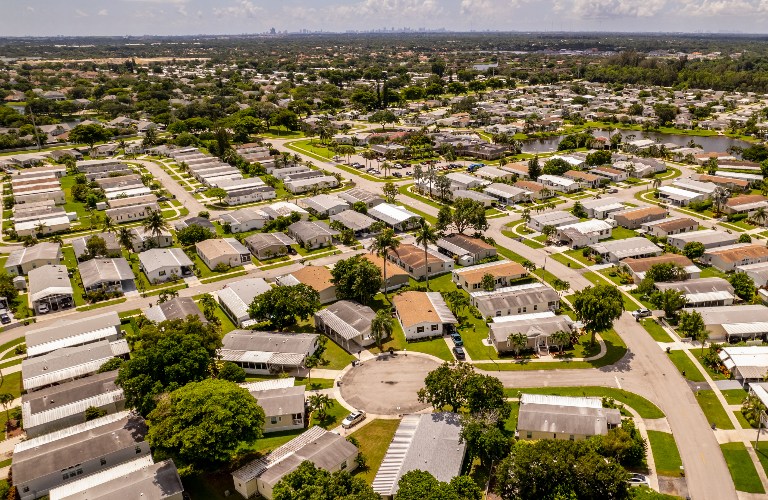
Property transactions benefit from infrastructure quality. Buyers recognize fiber-to-the-home as permanent infrastructure similar to water and sewer systems. Communities with bulk fiber internet demonstrate both infrastructure quality and recurring revenue streams that enhance property values.
Zero upfront cost models eliminate the capital expenditure barrier that prevents many communities from installing fiber infrastructure. When service providers invest in fiber installation in exchange for bulk service agreements, communities gain permanent infrastructure without capital outlay.
Ready to Future-Proof Your MHC with Fiber Infrastructure?
If your manufactured housing community currently depends on aging cable infrastructure or you’re planning connectivity improvements, strategic infrastructure decisions today determine your property’s competitiveness and capital requirements for decades.
AccessParks specializes in fiber-to-the-home infrastructure for manufactured housing communities. We install permanent connectivity infrastructure serving your property for 20+ years without requiring replacement as bandwidth demands evolve. Our zero upfront cost model delivers future-proof infrastructure without capital expenditure, while bulk service models generate ongoing revenue that enhances property values.
Let’s connect to discuss how fiber infrastructure can future-proof your manufactured housing community while delivering the connectivity residents expect today and tomorrow.


