Fiber vs Cable, Cellular, and Satellite Internet: What Works Best for Community Living

 By Nicole Cimino February 23, 2026
 Mobile home community and RV park residents have several internet options, but not all technologies deliver the performance, reliability, and value that modern households need. Understanding how fiber, cable, cellular, and satellite internet compare helps you appreciate why your community’s choice of internet infrastructure matters for your daily connectivity experience.
How Cable Internet Works in Mobile Home Communities
Cable internet uses the same coaxial copper lines originally installed for television service. These systems can deliver decent speeds when first installed, but the shared bandwidth model means performance degrades as more neighbors use the internet simultaneously.
The bigger problem for mobile home communities is that cable and DSL companies historically neglected these properties for fiber upgrades. While these companies invested billions upgrading infrastructure in higher-density residential areas, manufactured housing communities were left with decades-old cable and DSL systems never designed for modern internet demands.
Cable companies likely would never upgrade these communities to fiber, viewing them as lower priority compared to traditional residential developments. This neglect left many mobile home community residents stuck with aging infrastructure inadequate for remote work, streaming, and the connected devices modern households depend on.
Why Cellular Internet Has Limitations for Community Living
Cellular internet delivered through mobile hotspots or home internet devices works well for individual users in areas without better options. However, cellular connections face limitations in community living environments.
Network congestion affects cellular performance when many households in the same area use mobile data simultaneously. Cellular providers often implement data caps or throttling after certain usage thresholds, making unlimited high-speed internet unavailable or prohibitively expensive.
Weather and obstacles also impact cellular signal strength. Buildings, trees, and terrain create dead zones where service becomes unreliable. The variability makes cellular internet difficult to depend on for consistent work-from-home connectivity or household internet serving multiple devices simultaneously.
Satellite Internet Performance Issues
Satellite internet reaches locations where other options don’t exist, but the technology has inherent limitations. The distance signals must travel to and from satellites orbiting Earth creates latency that affects real-time applications like video calls and online gaming.
Weather significantly impacts satellite internet. Rain, snow, and storms disrupt signals, causing outages exactly when you’re most likely to be inside using internet. The reliability issues make satellite unsuitable for residents who depend on consistent connectivity for work or education.
Many satellite services also implement data caps or charge premium rates for unlimited data. The cost per megabyte often exceeds what fiber or cable internet customers pay for substantially better performance and reliability.
How Fiber Internet Differs for Community Residents
Fiber-optic internet uses light signals transmitted through glass cables, delivering superior performance to cable, cellular, or satellite alternatives. The technology provides symmetrical upload and download speeds, meaning activities requiring data uploads like video conferencing happen as smoothly as downloads.
Fiber infrastructure handles unlimited devices without the performance degradation cable systems experience during peak hours. Your household can stream on multiple TVs, join work video calls, game online, and browse simultaneously without anyone experiencing slow speeds.
The reliability advantage matters critically for residents working remotely. Fiber connections resist weather interference and don’t suffer the outages that satellite and some cellular connections experience. The infrastructure serves communities for decades without requiring replacement as bandwidth demands increase.
Why AccessParks Invested Where Cable Companies Would Not
When cable and DSL companies chose not to upgrade manufactured housing communities to fiber, AccessParks recognized the opportunity to provide these residents with infrastructure matching what premium residential developments receive.
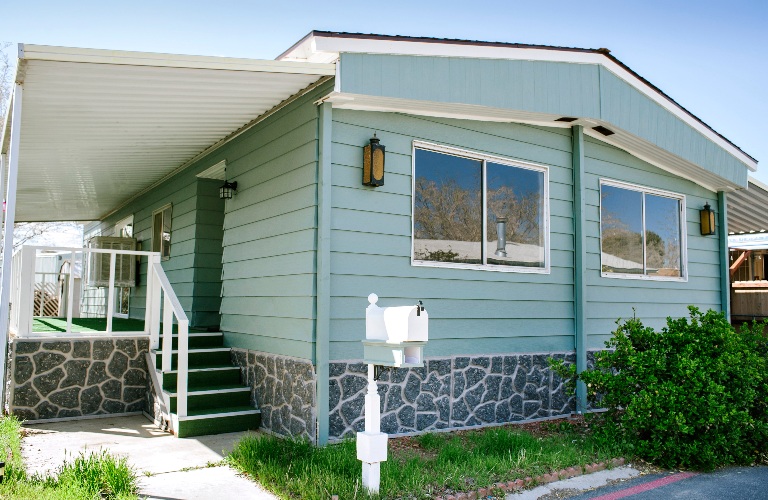
AccessParks invested millions building fiber networks specifically for mobile home communities and RV parks that cable companies deprioritized. This investment means residents in these communities now access fiber internet that cable companies would likely never have provided, eliminating the technology gap that previously existed between manufactured housing and traditional residential areas.
The fiber infrastructure being installed today positions communities with permanent connectivity that won’t require replacement as technology advances. Unlike cable systems that need periodic upgrades or satellite technology that depends on weather conditions, fiber serves reliably for decades while supporting whatever internet demands emerge.
Comparing Real-World Performance for Residents
The practical differences between these technologies become clear in daily use. Cable internet slows during evening hours when neighbors stream video. Cellular connections experience congestion and may hit data caps. Satellite service drops during storms or experiences frustrating delays during video calls.
Fiber internet delivers consistent performance regardless of time of day, weather conditions, or how many neighbors use internet simultaneously. The reliability and speed support modern household needs without the compromises other technologies require.
For residents working from home, attending online classes, or simply expecting reliable entertainment streaming, fiber infrastructure provides the foundation for consistent connectivity that other options struggle to match.
Understanding Your Community’s Internet Infrastructure Choice
If your mobile home community or RV park recently upgraded to AccessParks fiber internet, you benefit from infrastructure investment that cable companies chose not to make in manufactured housing communities. The fiber network installed serves you with the same quality internet available in premium residential developments, delivered by a company that prioritized communities others neglected.
The permanent infrastructure handles your current needs while remaining capable of supporting whatever technologies emerge in coming decades, all without the performance limitations, weather dependency, or data caps that cable, cellular, and satellite alternatives impose.